Bottarga: A Friendly Font for Creative Projects
There I was, staring at a blank brand board, trying to figure out how to bring a new café’s identity to life. The client wanted something warm, approachable, and a little bit playful. That’s when I reached for Bottarga—a relaxed and informal handwritten font that felt like the perfect fit.
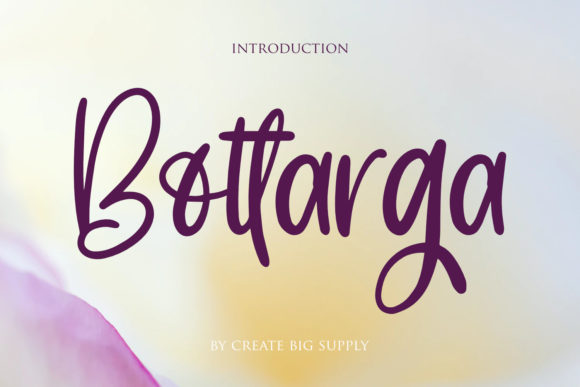
Bottarga has a distinct personality. It’s not overly formal or rigid. Instead, it carries a sense of ease, as if someone scribbled the letters with a pen on a napkin. The strokes are soft, the curves are fluid, and there’s a natural variation in each character that gives it a human touch. It’s the kind of font that feels like it belongs in a cozy kitchen, a small boutique, or a creative studio.
I started by testing it on a logo draft. The first thing I noticed was how it added a friendly vibe without being too casual. It worked well for a tagline or a headline, but I also saw potential for use in packaging design and product labels. The font’s adaptability made it easy to experiment with different layouts and visual elements.
When I placed Bottarga on a mockup for a coffee cup label, it looked just right. The handwritten style gave the design a personal feel, which was exactly what the client was going for. It wasn’t too bold, but it still stood out enough to catch the eye. I could see it working well on business cards, signage, and even social media graphics.
One of the things I appreciate about Bottarga is how it can be used in a variety of design contexts. It’s not just a logo font—it can serve as a display font for headlines, an accent font for supporting text, or even a part of a larger type system when paired with other fonts. For example, pairing it with a clean sans serif font creates a nice contrast that keeps the design from feeling too cluttered.
Readability is always a concern when using a handwritten font, but Bottarga manages to strike a good balance. It’s legible at larger sizes, making it ideal for headings and banners. However, I wouldn’t recommend using it for long blocks of text. It works best in short-form applications where its charm can shine through without sacrificing clarity.
In a branding project, consistency is key. Bottarga helps maintain a cohesive look across different materials. Whether it’s a website header, a flyer, or a poster, the font adds a unified touch that ties everything together. It’s also great for creating visual hierarchy—using it for main titles while reserving more structured fonts for body text.
Another benefit of Bottarga is its versatility. It supports multiple languages, which is important if the brand is targeting a diverse audience. The font comes in various weights and styles, giving designers more options to play with. This flexibility makes it a valuable addition to any design toolkit, especially for projects that require a personal and authentic feel.
When working with clients, I always recommend testing a font before committing to it. Bottarga is no exception. I suggest experimenting with it in different sizes and contexts to see how it performs. Try it on a shop sign, a label sticker, or a homepage hero section. You might be surprised at how well it adapts to different formats.
Pairing Bottarga with other fonts can enhance its impact. A serif font like Caslon or Baskerville can add a touch of elegance, while a modern sans serif like Montserrat or Lato can create a fresh and contemporary look. The key is to find a balance that complements the font’s natural flow without overpowering it.
For a small café or a handmade shop, Bottarga can be the perfect choice. It brings a sense of warmth and authenticity that resonates with customers. Whether it’s used in a logo, on a menu, or in a social media post, it adds a unique personality that sets the brand apart.
As a designer, I’ve found that Bottarga is a reliable ally in many creative projects. Its friendly and adaptable nature makes it suitable for a wide range of applications. From packaging design to editorial work, it consistently delivers a polished yet approachable look.
Overall, Bottarga is a great option for anyone looking to add a personal and expressive touch to their design work. It’s not just a font—it’s a tool that can help shape the identity of a brand and connect with its audience in a meaningful way.