Hello to Handmade Font
There I was, staring at a blank brand board, trying to figure out how to make the new café’s identity feel both welcoming and modern. The client wanted something that felt personal, like it was crafted by hand, not just typed on a keyboard. That’s when I stumbled upon Hello to Handmade—a font that instantly felt right.
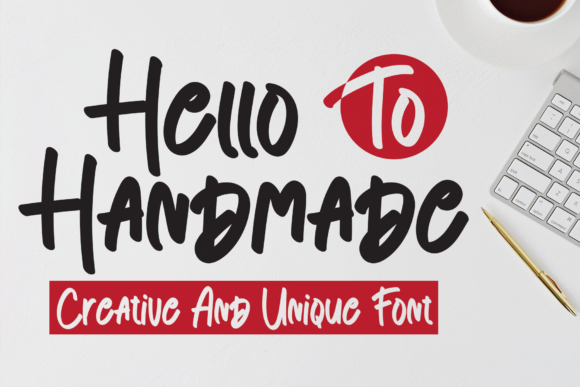
It’s a script handwritten typeface with a soft, approachable vibe. The strokes are fluid, the curves are gentle, and there’s a subtle irregularity that makes it feel authentic. It doesn’t scream “designer” or “corporate.” Instead, it whispers, “I’m here for you.”
Testing it on a logo draft was the first step. I paired it with a simple sans serif for balance, and it worked beautifully. The contrast between the two fonts created a visual rhythm that felt natural, not forced. The handmade quality of Hello to Handmade gave the brand a human touch, which is exactly what the café needed.
How Hello to Handmade Works in Branding
As I moved into packaging design, I saw how versatile this font could be. On a coffee bag, it added warmth without being overwhelming. On a label sticker, it felt like a signature rather than just text. It didn’t overpower the imagery or the product name—it complemented it.
I also tried it on a shop sign. The way the letters flowed made the sign feel more inviting. It wasn’t too bold, but it wasn’t shy either. It struck the perfect balance between readability and character. That’s the thing about Hello to Handmade—it adapts without losing its personality.
When I used it for social media graphics, it brought a sense of authenticity to the visuals. Whether it was an Instagram post or a flyer, the font felt like part of the story. It wasn’t just a typeface; it was a voice.
Readability and Visual Hierarchy
One of the first things I considered was how readable Hello to Handmade would be at different sizes. For headlines and logos, it shined. But for longer blocks of text, it wasn’t the best choice. That’s where pairing it with a serif or sans serif font came in handy.
Using it as a display font or headline font made the most sense. It was perfect for titles, taglines, and short-form text. When I paired it with a clean, modern sans serif, it created a nice contrast that kept the design from feeling too busy.
In editorial design, like a menu or a brochure, I used it sparingly. Just enough to add a touch of personality without making the text hard to read. It helped reinforce the brand’s identity while keeping the overall look professional.
Practical Tips for Using Hello to Handmade
If you’re thinking about using Hello to Handmade in your next project, start by testing it in different contexts. Try it on a mockup, see how it looks on a business card, or place it on a website header. Get a sense of how it interacts with other elements.
Check the font’s styles, alternates, and ligatures. Some handwritten fonts have unique characters or special glyphs that can add extra flair. Make sure the font supports the languages you need, especially if your project is multilingual.
Also, consider the file formats and licensing. If you’re using it for commercial work, ensure that the license covers your intended use. It’s always better to be safe than sorry.
Designing with a Human Touch
What sets Hello to Handmade apart is its ability to bring a human element to design. In a world where everything feels digital and mass-produced, this font offers a refreshing alternative. It’s not just about looking good—it’s about feeling good.
For a small business or a local brand, that emotional connection can make all the difference. It helps build trust, create a memorable identity, and resonate with the target audience. That’s why I often recommend it for boutique shops, skincare brands, and creative studios.
It’s also great for merchandise. Whether it’s a T-shirt, a mug, or a notebook, the font adds a personal touch that customers appreciate. It makes the product feel like it was made with care, not just printed in bulk.
Final Thoughts
Using Hello to Handmade in a branding project was a reminder of how powerful typography can be. It’s not just about choosing a pretty font—it’s about finding the right one that aligns with the brand’s values and goals.
This script handwritten typeface has a lot to offer. It’s adaptable, trendy, and full of character. Whether you’re working on a logo, packaging, or a social media campaign, it can elevate your design and add a touch of authenticity that’s hard to replicate.
As a designer, I always look for fonts that can tell a story. Hello to Handmade does that effortlessly. It’s a font that feels like a conversation, not just a set of letters. And that’s what makes it so valuable in any creative project.