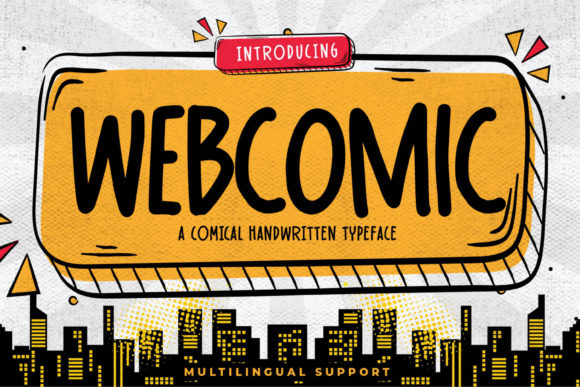
Webcomic Font: Handwritten Style for Web Design
Webcomic is a script handwritten font that brings a casual, informal vibe to digital projects. Its unique personality makes it ideal for web designers and UI creators looking to add a relaxed touch to their layouts.
Designed with a handwritten feel, Webcomic has a natural, organic flow that feels personal and approachable. The font’s irregular strokes and subtle variations give it a handcrafted look that stands out in a sea of rigid typefaces. This makes it perfect for creative websites, branding, and digital content that needs a human touch.
Using Webcomic in Web Design
Webcomic excels as a display font, making it ideal for headers, hero sections, and call-to-action buttons. Its informal style adds character without overwhelming the design. When used in moderation, it can enhance visual hierarchy by drawing attention to key elements on the page.
For example, a creative portfolio site might use Webcomic for the main title or project headings, creating a warm and inviting atmosphere. An online boutique could use it for banners or product titles, adding a playful tone that resonates with customers.
In landing pages, Webcomic can be used for short phrases or taglines. It works well when paired with a clean sans serif font for body text, balancing creativity with readability. This combination helps maintain a professional look while still conveying a friendly brand voice.
Brand Tone and Visual Hierarchy
The personality of Webcomic aligns well with brands that want to appear approachable and authentic. It’s particularly effective for startups, creative agencies, and lifestyle brands that aim to connect with their audience on a more personal level.
When used in headlines, Webcomic can guide users through a website by emphasizing key messages. Its distinct shape helps create a clear visual structure, making it easier for users to scan and understand content quickly.
However, it’s important to use Webcomic strategically. Overusing it can reduce readability, especially in long paragraphs. For best results, reserve it for headings, logos, and decorative elements rather than body text.
Readability on Digital Screens
On mobile devices, Webcomic maintains legibility at larger sizes, making it suitable for buttons, app icons, and small text blocks. Its stroke variation ensures that characters remain distinguishable even on smaller screens.
When using Webcomic on dark backgrounds, ensure sufficient contrast to maintain clarity. On light backgrounds, it appears crisp and easy to read. For image overlays, consider using a lighter weight or adjusting the font size to prevent it from blending into the background.
Responsive design requires careful consideration of font sizing. Webcomic works well at 24px and above, but may become too small at 16px or below. Always test it across different screen sizes to ensure consistent performance.
Font Pairing and Design Applications
Pairing Webcomic with a simple sans serif font like Open Sans or Lato creates a balanced look. This combination allows the handwritten font to stand out while keeping the rest of the design clean and readable.
For editorial designs, pairing Webcomic with a serif font like Georgia or Playfair Display can add a refined, classic feel. This works well for blogs, magazines, or content-focused websites that want to blend creativity with professionalism.
In social media graphics, Webcomic adds a personal touch to captions, quotes, and promotional posts. Its quirky style makes it ideal for campaigns targeting younger audiences or niche markets.
Commercial Use and Licensing
When using Webcomic for commercial projects, ensure that the license covers the intended use. Most fonts allow for web embedding, but check the terms for website, app, and digital product usage.
For client projects, confirm that the font license permits redistribution or use in final deliverables. Online stores, landing pages, and digital templates all require proper licensing to avoid legal issues.
Always verify that the font includes multiple weights and styles, as this provides greater flexibility in design. Some versions may also include alternate characters or ligatures, which can enhance the overall aesthetic of a layout.
Applications in Digital Branding
Webcomic is an excellent choice for logo design, where its handwritten style can convey a sense of individuality and creativity. It works well for indie brands, artists, and small businesses that want to stand out from the competition.
For course sales pages or coaching websites, Webcomic can be used in headlines and section titles to create a welcoming, encouraging tone. Its informal style helps build trust and connection with the audience.
In digital brand kits, Webcomic can be used consistently across websites, email newsletters, and social media assets. This ensures a cohesive identity that reinforces brand recognition and user experience.
Whether you're designing a landing page, an online store, or a blog header, Webcomic offers a versatile and expressive option for web designers looking to add a personal, creative touch to their work.